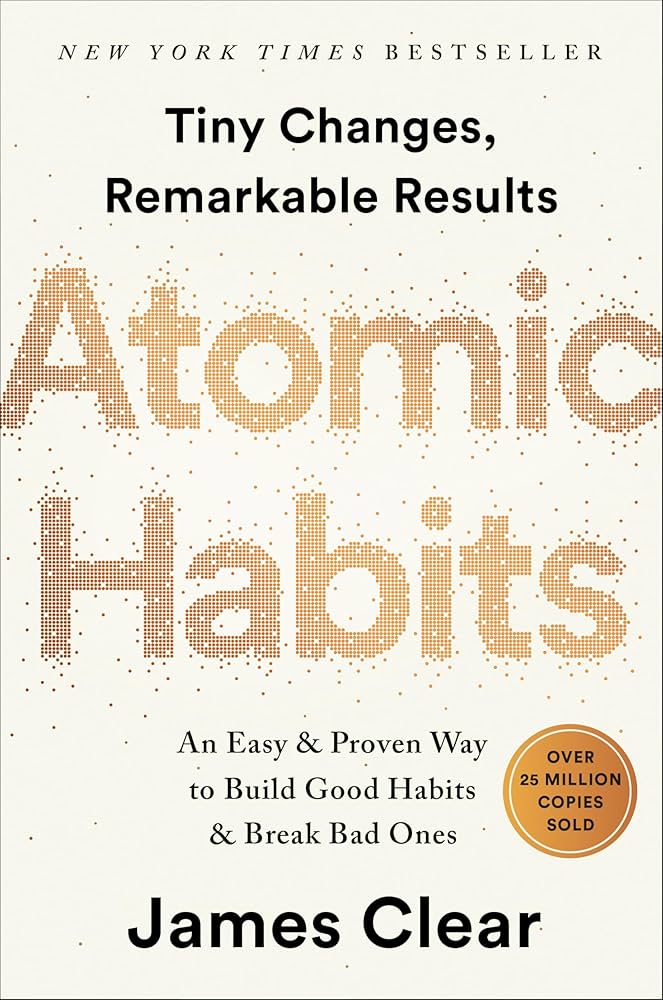
One of the most common frustrations parents share is this: “My child starts things… but never finishes.”
Atomic Habits offers a helpful reframe. Progress does not come from big bursts of motivation. It comes from small actions repeated consistently over time.
That idea turns out to be especially powerful when thinking about children, learning, and creative technology.
The myth of the big breakthrough
We often imagine progress as a moment:
- A sudden interest
- A burst of focus
- A dramatic improvement
James Clear argues that this is the wrong mental model.
Real change happens quietly, through habits so small they almost feel insignificant.
One per cent better, repeated daily, compounds.
Why this matters for children
Children rarely sit down and say, “Today I will develop long term discipline.”
They respond to what feels achievable right now.
A habit like:
- Opening Scratch for ten minutes
- Adding one new feature to a game
- Recording a short audio clip
- Fixing one small problem
Does not feel overwhelming.
But over weeks and months, those small actions stack into real skill.
Projects beat goals
One of the most useful ideas in Atomic Habits is the shift from goals to systems.
Goals say:
- Finish the game
- Make a podcast
- Learn to code
Systems say:
- Work on this a little, most days
- Open the tool and try something
- Keep the project alive
Projects give children a system to return to.
Why consistency matters more than talent
When kids work on creative projects regularly, a few things happen:
- Confidence grows quietly
- Mistakes feel less threatening
- Improvement becomes visible
This builds identity.
Children start to see themselves as someone who makes things, someone who sticks with ideas, someone who figures things out.
That identity is far more powerful than praise.
Environment shapes behaviour
Another key idea in Atomic Habits is that behaviour follows environment.
Children do not need more willpower. They need better defaults.
If screens mostly offer:
- Videos
- Games
- Feeds
Consumption becomes the habit.
If creative tools are visible and accessible:
- Drawing apps
- Recording tools
- Coding platforms
Creation becomes more likely.
Small environmental changes lead to different habits without arguments.
The digital pantry post expands on this in detail.
Tiny habits reduce resistance
Large projects can feel intimidating. Small habits lower the entry cost.
Ten minutes feels manageable. Opening the app feels doable. Fixing one thing feels safe.
Once momentum begins, children often keep going.
The hardest part is not the work. It is starting.
Technology magnifies compounding
Digital tools are uniquely suited to compounding habits.
Files save progress. Projects pause and resume. Improvements stack without being lost.
A child who works briefly but regularly can build something surprisingly complex over time.
This is exactly how adults build real world digital skills.
What this means for parents
Instead of asking:
- Did you finish?
- Why did you not do more?
- When will this be done?
Try focusing on:
- Consistency
- Access
- Momentum
Success becomes about returning, not completing.
Small work, done often, changes everything
Atomic Habits reminds us that meaningful change does not come from pressure or perfection.
It comes from making the right action easy to repeat.
When children use technology to work on small creative projects consistently, they do not just build skills.
They build a habit of making. And that habit compounds long after the project ends.
If you are new to this series, the intro post explains the bigger picture behind these reflections.
Better Tech Kids
Better Tech Kids is built around small, repeatable projects that change how kids use technology over time.