One of the most limiting phrases children learn early is: “I’m just not good at that.”
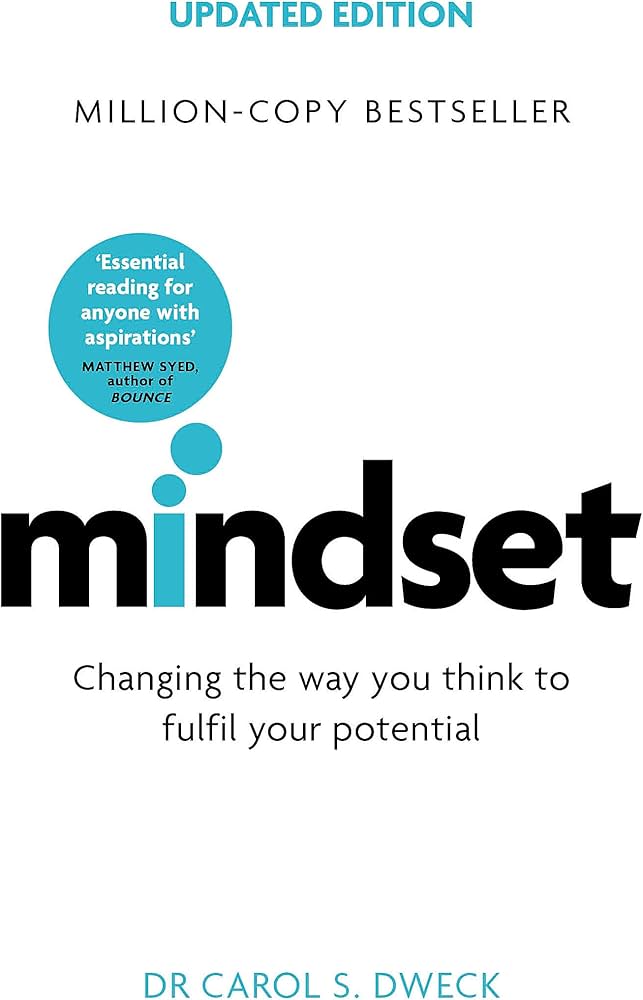
Carol Dweck’s Mindset explains why this belief is so powerful, and how easily it can shape a child’s relationship with learning, challenge, and technology.
Fixed mindset vs growth mindset
At the heart of Mindset is a simple but transformative idea.
People tend to operate from one of two beliefs:
- Fixed mindset: Ability is set. You either have it or you do not.
- Growth mindset: Ability grows through effort, practice, and learning.
Children absorb these beliefs quickly, often without adults realising.
How fixed mindsets quietly shut learning down
When children believe ability is fixed:
- Mistakes feel like failure
- Difficulty feels like proof they are not good at it
- Effort feels pointless
This leads to avoidance.
Children do not stop learning because they are lazy. They stop because learning threatens their identity.
Why technology can reinforce the wrong mindset
Many digital experiences reward looking capable rather than becoming capable.
Instant success. Low effort. No visible process.
Children learn that competence should feel easy, and if it does not, something is wrong.
That is a fixed mindset environment.
Projects make growth visible
Creative projects flip this dynamic.
Projects:
- Show progress over time
- Make mistakes normal
- Reward iteration, not instant success
When a child watches a project evolve from messy to functional, they experience growth as something concrete.
Not motivational talk. Actual evidence.
I can’t do this becomes I can’t do this yet
This is where Mindset becomes practical.
Projects naturally introduce the word yet:
- It does not work yet.
- I do not understand this yet.
- I have not finished yet.
This small shift changes how children interpret struggle.
Difficulty stops being a verdict. It becomes part of the process.
Why praise matters more than we think
Dweck’s research shows that praising talent backfires.
When we say:
- You are so smart
- You are good at this
Children learn to protect that label.
Instead, effort based feedback builds resilience:
- You stuck with that
- You tried different approaches
- You figured it out
Projects give parents real opportunities to praise effort honestly.
Adults need growth mindsets too
One quiet barrier is adult self belief.
Many parents think:
- I am not technical
- I could never learn this
- This is beyond me
Children watch this closely.
When adults model learning alongside children, they send a powerful message. Ability is expandable at any age.
Technology as a mindset tool
Technology itself is neutral.
Used passively, it reinforces the idea that skill should be effortless. Used creatively, it teaches that skill is built.
The same device can either confirm a fixed mindset or train a growth mindset.
The difference is whether the child is consuming or creating.
The creation versus consumption post explores this shift in more detail.
What this means for parents
Instead of focusing on outcomes:
- Focus on progress
- Normalise mistakes
- Talk about learning as change
Ask:
- What did you try?
- What changed from last time?
- What would you do differently?
These questions build mindset quietly and consistently.
Growth mindset is not taught. It is experienced.
Mindset reminds us that beliefs about ability shape everything that follows. When children work on meaningful projects, especially with technology, they experience growth firsthand.
They do not just hear that effort matters. They see it.
And once a child truly understands that they can grow, the question shifts from “Can I do this?” to “How will I learn it?” That shift changes everything.
If you are new to this series, the intro post explains the bigger picture behind these reflections.
Better Tech Kids
Better Tech Kids uses simple creative projects to build the habits of effort, revision, and pride.