One of the biggest worries parents express is that children give up too easily.
When something feels hard, boring, or frustrating, they move on.
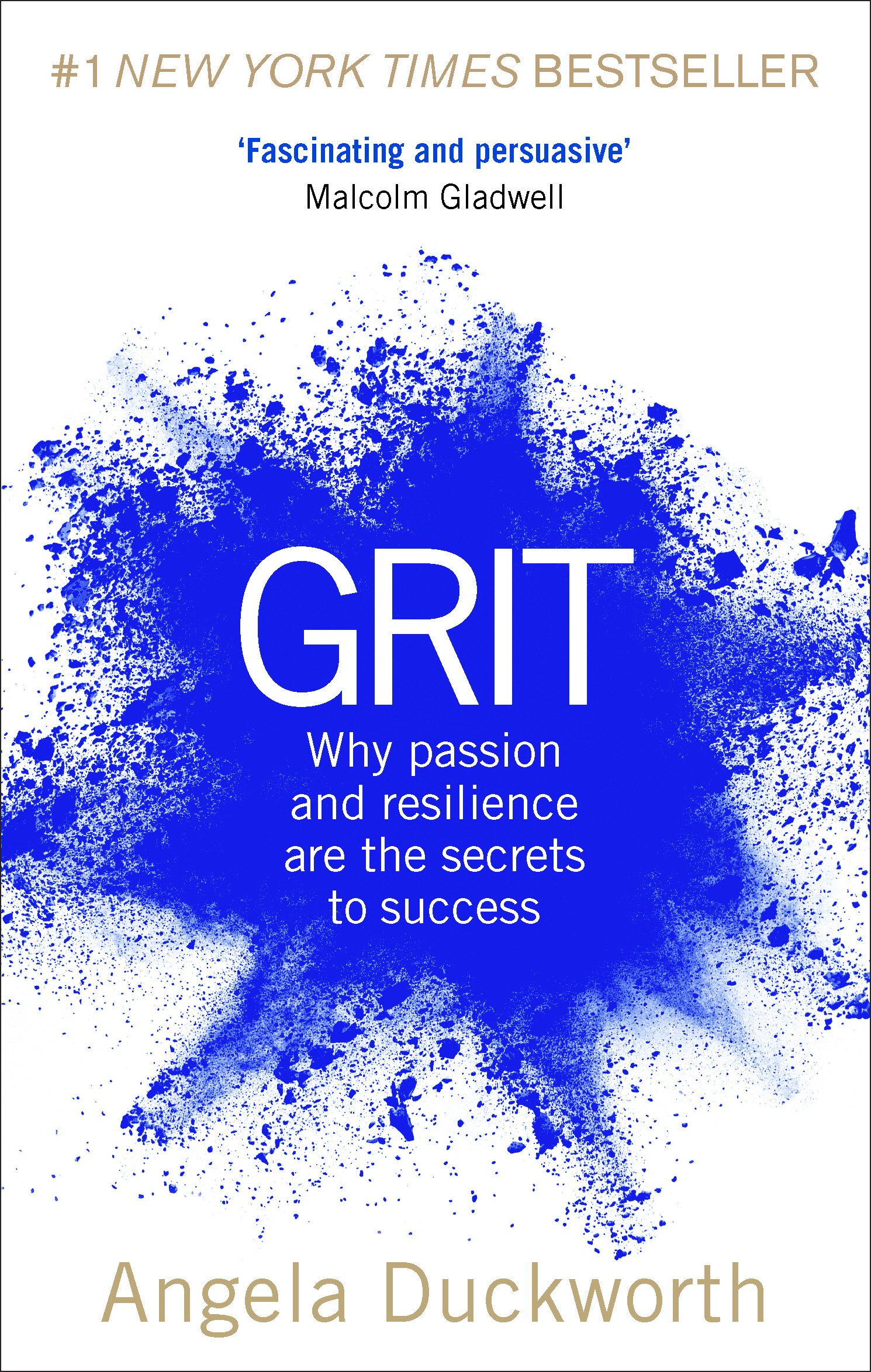
Angela Duckworth’s Grit helps explain why this happens, and more importantly, how it can change.
Talent is overrated and that is good news
Grit challenges a comforting myth, that success comes mainly from talent.
Duckworth’s research shows that long term success is far more closely tied to persistence than raw ability.
This matters for children because talent is fragile. The moment something feels difficult, talent based confidence collapses.
Persistence based confidence grows instead.
Why modern technology works against grit
Many digital experiences are designed to remove friction:
- Instant rewards
- Endless novelty
- No real consequences
When children mostly use technology this way, they rarely practise staying with something that resists them.
Scrolling never asks for grit. Projects do.
Projects create productive struggle
Creative projects naturally introduce:
- Bugs
- Mistakes
- Half working ideas
- Moments of “this is annoying”
This is exactly where grit develops.
When children:
- Debug a game
- Re record audio
- Fix a design
- Solve a stubborn problem
They experience effort that pays off. That payoff rewires how they think about difficulty.
Grit grows when effort feels meaningful
One of Duckworth’s key findings is that grit does not grow through forced endurance.
It grows when effort connects to something the learner cares about.
This is why projects work so well:
- The goal belongs to the child
- The outcome matters to them
- The struggle has a purpose
A child will persist longer on a self chosen game than on almost any worksheet.
Finishing builds identity
Each finished project does something subtle but powerful. It changes how a child sees themselves.
They move from “I give up easily” to “I can stick with hard things.”
This identity shift matters more than the project itself. Grit is not taught. It is experienced.
Why adults often underestimate kids
One mistake adults make is stepping in too quickly. We see frustration and rush to fix it.
But grit grows in the space before rescue:
- When kids try one more time
- When they search for an answer
- When they sit with confusion
Support matters, but struggle is not the enemy.
Technology can either weaken or strengthen grit
Used passively, technology trains avoidance. Used creatively, it trains persistence.
The difference is not the screen. It is the task.
Projects transform technology into a practice ground for grit.
What this means for parents
Instead of asking:
- Why is this taking so long?
- Should I just help you?
- Do you want to stop?
Try:
- What part is tricky?
- What have you tried so far?
- Do you want to come back to it tomorrow?
Grit grows when quitting is not the default.
Grit is built one project at a time
Grit reminds us that resilience does not come from shielding children from difficulty.
It comes from letting them experience effort that leads somewhere.
When children work on meaningful projects with technology, they practise exactly the kind of persistence that lasts beyond childhood.
They do not just learn how to use tools. They learn how to stay with hard things, and finish.
If you are new to this series, the intro post explains the bigger picture behind these reflections.
The podcast project post is a practical example of persistence in action.
Better Tech Kids
Better Tech Kids is built around small, finishable projects that build perseverance without overwhelm.