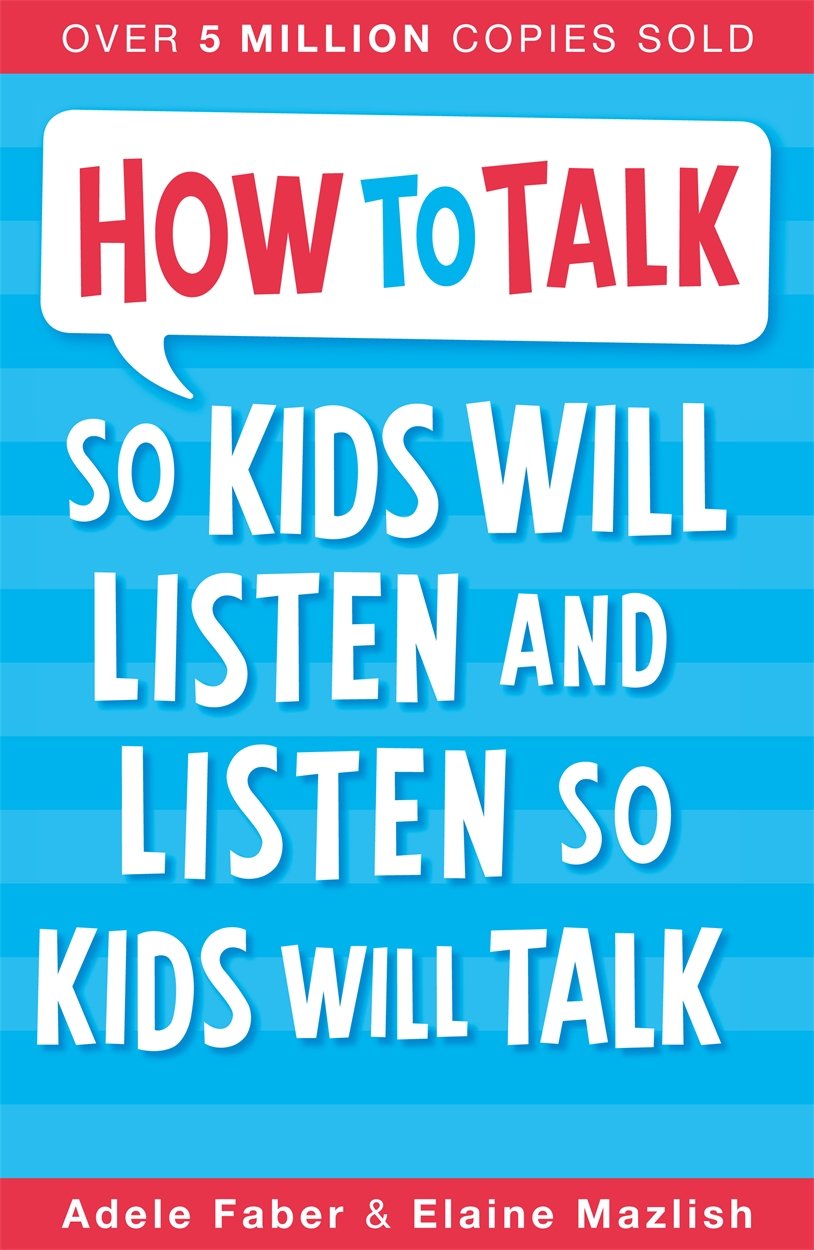
Some parenting books feel dated the moment culture shifts. This one has not.
Despite being written decades ago, How to Talk So Kids Will Listen & Listen So Kids Will Talk continues to show up in conversations between parents, teachers, and psychologists for one reason. It works.
Understanding before instruction
At the heart of this book is a deceptively simple idea. Children cooperate more when they feel understood.
Before advice. Before correction. Before problem solving. Acknowledging feelings comes first.
This does not mean agreeing with every behaviour. It means recognising what sits underneath it. That principle is timeless.
Why this matters even more now
Children today navigate pressures previous generations did not.
Constant comparison. Persistent notifications. Little space for boredom or reflection.
When adults respond with control rather than understanding, resistance grows.
Faber and Mazlish offer an alternative. Connect first, then guide.
Listening is not passive
One of the book’s strongest contributions is reframing listening as an active skill.
Listening means:
- Naming feelings
- Reflecting back what you hear
- Giving space before solutions
Children often know more about their own experiences than we expect. They just need the chance to express it.
Technology conflicts are emotional conflicts
Arguments about screens often look practical on the surface. Time limits. Devices. Rules.
But underneath, they are emotional. Frustration. Boredom. Social pressure. A need for autonomy.
This book reminds us that behaviour usually makes sense once feelings are acknowledged.
Cooperation grows from respect
Rather than relying on rewards or punishments, the book focuses on collaboration. Problem solving with children. Inviting ideas. Setting boundaries without dismissing emotions.
That approach builds long term skills, not short term compliance.
Applying this to modern childhood
Technology did not exist in the form we know it when this book was written. But the principles translate seamlessly.
Children who feel heard are more open to guidance. Children who feel respected are more willing to try alternatives.
Children who feel trusted begin to trust themselves. Those qualities matter far beyond screens.
A foundation for meaningful change
This book does not promise quick fixes. It offers something better: a way of relating to children that brings out their best thinking.
When children feel understood, they are more willing to engage. When they are engaged, growth follows.
That applies to learning, relationships, and how they interact with technology.
Why it still belongs on every parent’s shelf
How to Talk So Kids Will Listen & Listen So Kids Will Talk endures because it respects children.
Not as problems to manage. But as people to understand.
And that mindset quietly shapes everything else we do as parents.
If you are new to this series, the intro post explains the bigger picture behind these reflections.
The creation versus consumption post shares why understanding often leads to better technology habits.
Better Tech Kids
Better Tech Kids is designed to make these conversations easier by giving families shared projects to work on.