A lot of conversations with children never really get started.
They shut down. They deflect. They give one word answers. Or they tell us what they think we want to hear.
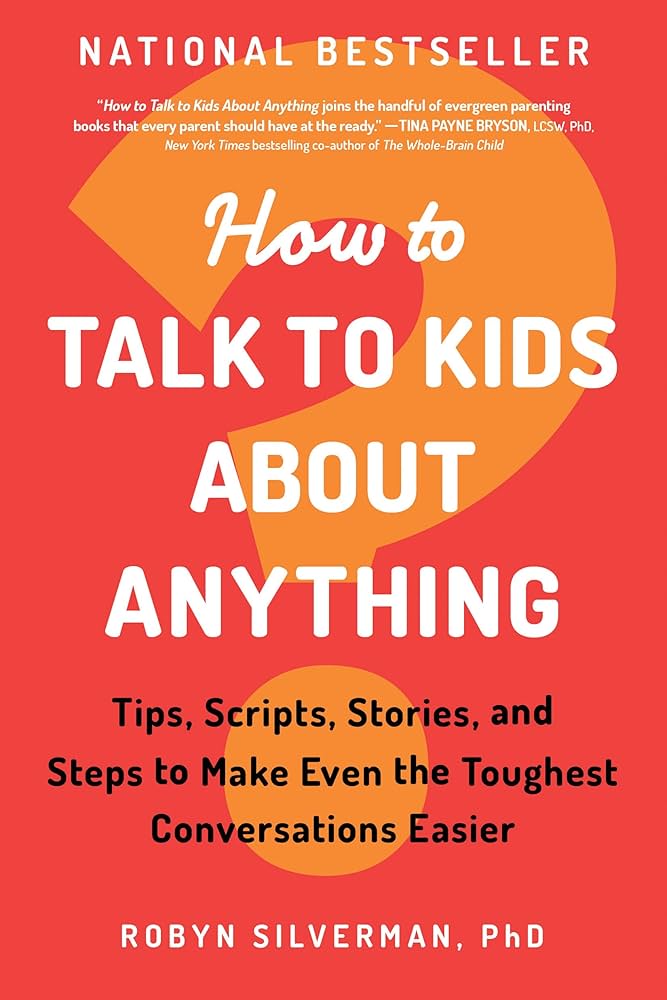
Dr Robyn Silverman’s How to Talk to Kids About Anything is a reminder that communication is not about having the perfect script. It is about creating the conditions where real conversation can happen.
Talking with children, not at them
One of the book’s core ideas is simple but powerful. Children deserve real conversations.
Not lectures. Not interrogations. Not rehearsed teachable moments.
When we speak to children with respect, clarity, and openness, they respond in kind.
This matters just as much for conversations about technology as it does for anything else.
Why difficult topics get harder in a digital world
Technology adds complexity to childhood.
Online friendships. Algorithms. Social comparison. Endless content.
Parents often feel they need to control or restrict first, then explain later.
Silverman flips that order. Conversation comes first.
When children understand why something matters, they are more likely to engage thoughtfully with it.
Curiosity beats control
Instead of:
- Why would you do that?
- That is not appropriate.
It encourages questions like:
- What do you enjoy about this?
- How does that make you feel?
- What do you think is happening here?
These questions do not shut children down. They invite reflection.
This applies directly to technology
Technology often becomes a battleground because it is treated as a behavioural issue.
More rules. More limits. More conflict.
But when we talk about technology instead of just reacting to it, children begin to develop their own judgement.
They start to think about how they use it, how it affects them, and what they want from it.
That shift matters.
Conversation creates agency
Silverman’s approach trusts children to grow.
Not instantly. Not perfectly. But gradually.
When children feel heard, they are more willing to listen. When they are involved in the conversation, they take ownership.
This is especially important in areas where we will not always be present to guide them.
From conversation to creation
One idea that sits quietly beneath this book is that good conversations open doors. When children are asked what interests them, what frustrates them, and what they are curious about, new possibilities appear. Including creative ones.
Technology does not have to be something we argue about. It can become something we explore together.
Why this approach works
Talking openly:
- Reduces defensiveness
- Builds trust
- Encourages self awareness
Children do not need us to have all the answers. They need us to be willing to talk.
That mindset changes how every topic is approached, including screens.
A foundation for everything else
How to Talk to Kids About Anything is not a technology book.
But it quietly underpins every meaningful conversation parents have about it.
Before limits. Before tools. Before projects. Conversation comes first.
And when children feel respected in those conversations, they are far more likely to engage thoughtfully with the world, digital and otherwise.
If you are new to this series, the intro post explains the bigger picture behind these reflections.
The creation versus consumption post shares why this shift in conversation often leads to better technology habits.
Better Tech Kids
Better Tech Kids offers practical projects that help families spend time together and build trust through shared experiences.