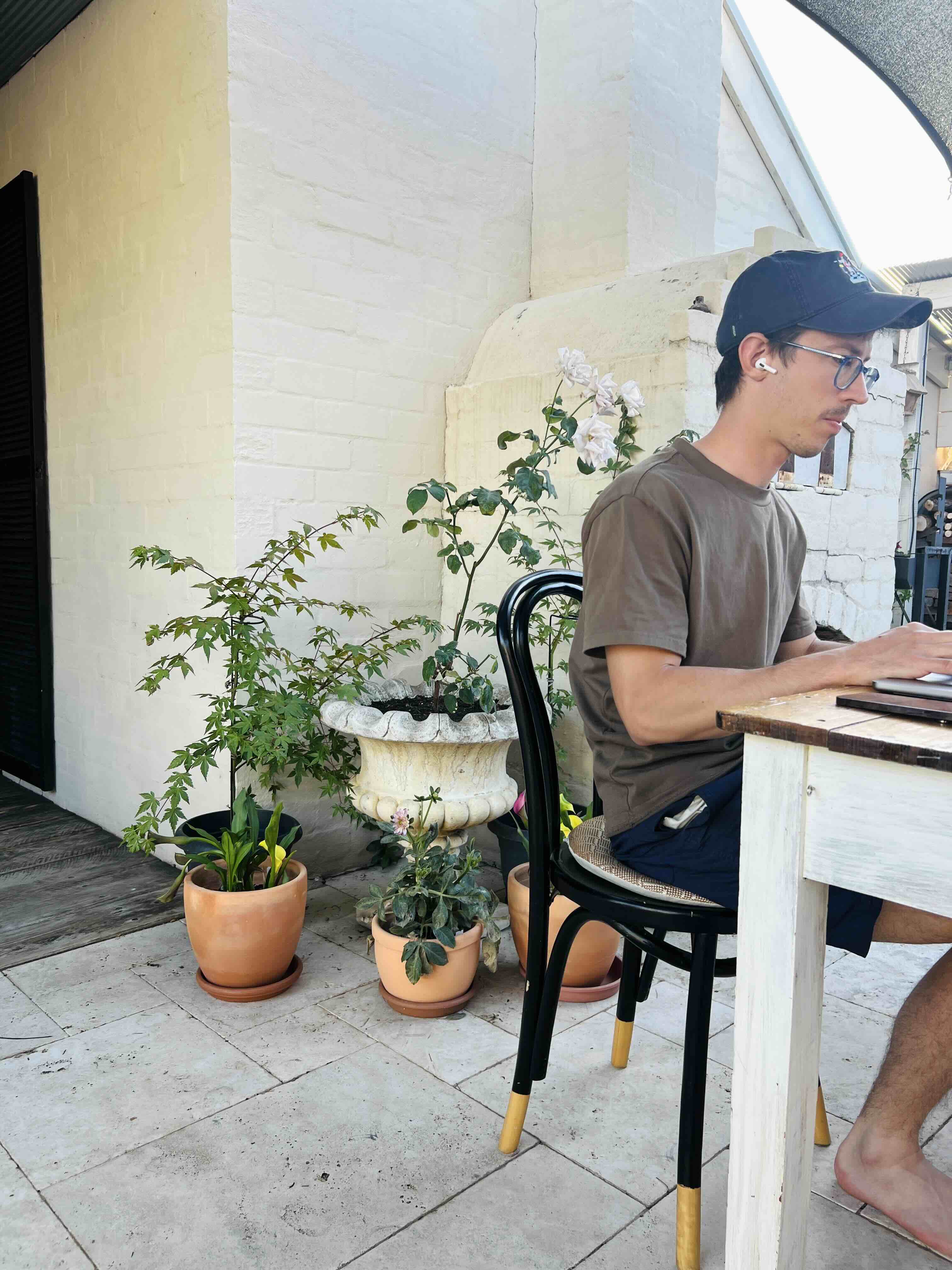
Not all technology use is the same.
There is a big difference between passively watching content and using technology as a tool to build, explore, and make things. When children work on projects, they develop skills that last far beyond the screen in front of them. Attention, problem solving, planning, confidence, and persistence all grow naturally when there is something meaningful to work on.
Below are three practical, creative activities that shift children from consuming technology to creating with it. These are all ideas I use in classrooms and at home, and they do not require expensive equipment or advanced technical knowledge.
1. Start a podcast
Podcasting is one of the most powerful creative projects kids can work on.
It blends storytelling, literacy, planning, and technical skills, while also building confidence in speaking and sharing ideas. Most importantly, it is fun.
What kids learn
- Telling stories and structuring ideas
- Speaking clearly and confidently
- Planning and organising content
- Basic audio recording and editing skills
How to get started
- Listen to podcasts together and talk about what you like
- Write down ideas you notice. Music, interviews, stories, or facts
- Choose a topic they know well or care about
- Plan one episode or a short series
- Decide if there will be a guest or just solo speaking
- Use simple gear. A phone or tablet is enough
- Record, listen back, edit a little, and share with family
Kids quickly take ownership of podcasting. Episodes have natural endpoints, which helps avoid endless scrolling, and each finished recording builds confidence.
2. Create a book
Making a book is a wonderful way for kids to see themselves as authors.
It can be a story, an information book, a picture book, or something completely imaginative. The focus is not on perfection, but on finishing something meaningful.
Tools that work well
- Book Creator
- Microsoft PowerPoint
- Google Slides
What kids learn
- Planning and organising ideas
- Writing, drawing, or combining text and images
- Making choices about layout and design
- Pride in completing a finished product
How to get started
- Decide on a topic together
- Choose the format. Mostly pictures, mostly words, or a mix
- Decide if it is fiction or non fiction
- Work a little at a time
- Print it out or share it digitally
Holding a printed book that they made themselves is incredibly powerful for kids. It changes how they see what they are capable of.
3. Make a game using Scratch
Scratch is one of the best platforms for introducing kids to coding and game design.
Instead of only playing games, children can design their own. This shift alone changes how they think about technology.
What kids learn
- Logical thinking and problem solving
- Coding concepts through visual blocks
- Persistence when things do not work
- Learning how to learn by searching and adapting
How to get started
- Visit the Scratch website and explore examples
- Choose a simple goal for the game
- Pick characters and a basic setting
- When you get stuck, search for help or look at similar projects
- Modify existing ideas rather than starting from scratch every time
- Keep working on it over days or weeks
Scratch teaches kids that not knowing what to do is part of the process. They learn skills as they go, and that mindset matters far more than the code itself.
Why projects matter
Projects give technology a purpose.
They have natural stopping points. They are not designed to keep kids scrolling. They exist outside the attention economy and are driven by curiosity, effort, and pride in finishing something.
When children are given the right tools, a supportive environment, and something meaningful to work on, technology becomes a workshop, not a distraction.
If this way of thinking resonates, it is the core idea behind my book Better Tech Kids. It is all about helping families shift technology from passive consumption to purposeful creation, using simple, practical projects just like these.